


Reconstruction Projects in Syria and Their Impact on Real Estate Prices
2026-05-18
2,541 Views
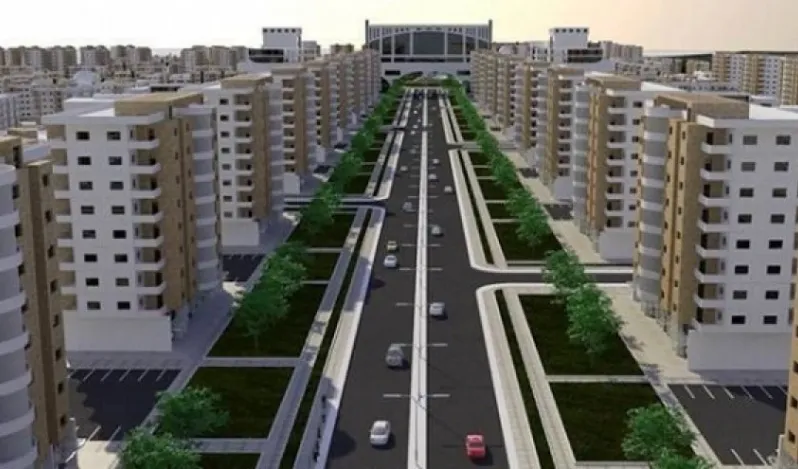


Choose the property that matches your lifestyle

Following the victory of the Syrian revolution and the fall of the regime, the real estate market entered a new and complex phase shaped by the profound transformations affecting the entire economic sector.
- How Do Reconstruction Projects Affect the Real Estate Market?
- Why Do Property Prices Rise During Reconstruction?
- Key Areas Expected to Witness Rising Prices in Syria
- Investment Opportunities Created by Reconstruction
- Potential Challenges and Risks in the Syrian Real Estate Market
- Is Now the Right Time to Invest in Syrian Real Estate?
- How Does Imtilak Real Estate Help You Choose the Right Investment Opportunity?
The current real estate landscape can be described as a multi-speed, volatile, and rapidly evolving market with strong growth potential. While properties in destroyed areas still suffer from sharply declining values, safe and stable regions are witnessing significant price increases fueled by ongoing waves of internal displacement and the demographic changes the country is experiencing.
Today, with radical political transformations, serious discussions surrounding reconstruction projects in Syria, and strengthened cooperation with major countries in this field such as the United Arab Emirates, along with the announcement of significant investment agreements, the market is no longer merely a safe haven for preserving savings.
How Do Reconstruction Projects Affect the Real Estate Market?
Reconstruction projects in Syria are not limited to rebuilding destroyed homes; this represents only a small part of the process.
Reconstruction in Syria is a comprehensive developmental process that includes repairing infrastructure such as roads, airports, and ports, rehabilitating electricity and water networks, and reviving commercial and industrial centers.
This broad reconstruction reality will inevitably lead to massive investment inflows from governments, foreign companies, and expatriate businessmen, creating a “halo effect” around the areas targeted by these projects.
These changes will lead to rising property prices, as neighborhoods that were once marginalized may become attractive hotspots simply because of their proximity to a new major road or a revitalized industrial zone, causing their real estate values to rise automatically and directly.
Why Do Property Prices Rise During Reconstruction?
The announcement of reconstruction efforts is closely linked to fundamental shifts in real estate prices in syria, driven by three main factors:
- Return of Demand: Relative stability and the enormous job opportunities accompanying construction and reconstruction sectors lead to increasing population movement in search of housing, significantly raising demand levels.
- Regulatory Improvements: The trend toward organizing and modernizing the real estate market through tools such as electronic land registries and property documentation gives local and foreign investors greater confidence. This growing sense of security is directly reflected in rising property prices.
- Speculation: Investors anticipate the expected wave of price increases in specific areas and rush to purchase land and properties there.
This demand drives current prices upward rapidly, even before reconstruction projects actually reach those areas.
Key Areas Expected to Witness Rising Prices in Syria
According to real estate market estimates, the areas expected to witness increases in property prices in Syria are those combining security and economic feasibility for reconstruction projects, including the following regions:
- Damascus and Its Countryside
- Aleppo – The Economic Capital
Aleppo, Syria’s economic capital and home to major industrial cities and factories, is expected to experience strong growth. The reconstruction of Sheikh Najjar Industrial City and commercial areas in the old city will recreate thousands of jobs. Commercial properties and industrial workshops are expected to be among the first beneficiaries, followed by strong residential demand as economic life returns.
- Latakia and Tartus
These two coastal cities represent a special case and will have a significant share in reconstruction. They are not only tourist and port-service destinations but are also expected to become the primary entry points for construction materials and energy projects. Furthermore, Emirati businessman Mohamed Alabbar’s announcement of a major investment plan on the Syrian coast is expected to increase demand in the region, especially for chalets, seafront properties, and rental investment housing designated for workers involved in these projects.
Investment Opportunities Created by Reconstruction
Large-scale reconstruction processes create an integrated economic cycle reflected in the real estate sector in various forms. Investment opportunities are not necessarily tied to one property type but rather depend on understanding the needs of each reconstruction phase.
Therefore, future opportunities will not be limited to traditional property purchases but will also include:
- Purchasing Undeveloped Land: Especially on city outskirts where new construction projects and alternative residential areas are expected to expand.
- Investing in Damaged Commercial Properties: Demand is expected to grow for purchasing and rehabilitating shops and warehouses in strategic locations that previously enjoyed high demand.
- Rental Investment Housing: By building or purchasing small and medium-sized residential units to rent to workers, engineers, and administrators who will flock to reconstruction zones.
Potential Challenges and Risks in the Syrian Real Estate Market
Despite all these positive indicators, investing in reconstruction areas in Syria requires caution due to significant and multiple risks arising from several factors:
- Lack of Clear Laws Protecting Investors: Such as laws regulating real estate development zones, which may affect ownership rights and create complex legal disputes.
- The Problem of Absent Owners: During the Syrian revolution, large numbers of Syrians were displaced both inside and outside the country, while many others disappeared due to detention or enforced disappearance. The return of rightful original owners threatens current buyers’ investments and raises major questions about the future of ownership.
- Financing and Sanctions: The Syrian banking sector still requires development to accommodate the large financial transfers expected in this sector. Ongoing international sanctions also make financing and money transfers a major challenge.
- Administrative Corruption and Lack of Clear Vision: The absence of a transparent and comprehensive national reconstruction plan increases the risk of investing in the wrong place or at the wrong time.
Is Now the Right Time to Invest in Syrian Real Estate?
Yes, for long-term investors capable of bearing high risks. The current period represents a stage of “waiting and seizing opportunities.” Prices have not yet fully reflected the true potential of reconstruction, especially in still-marginalized areas, creating substantial profit margins.
However, this is not a market suitable for beginners or for those seeking quick and safe profits.
How Does Imtilak Real Estate Help You Choose the Right Investment Opportunity?
In a market this complex, relying on luck is not enough. At Imtilak Real Estate, we bridge the gap of information and trust through:
- Comprehensive Legal Due Diligence: By verifying ownership validity, title history, and ensuring the absence of any legal ambiguities related to absentee ownership laws or disputes.
- Strategic Location Analysis: We do not only examine the present but also study urban planning schemes and expected infrastructure developments to accurately identify areas that will become future strategic hubs.
- Feasibility Assessment: We connect property type (land, residential, commercial) with actual anticipated market needs, not merely media hype.
Do you like this topic? You can share it with your friends now!


Do you like this topic? You can share it with your friends now!
More From Imtilak
Real estate investment in Syria
Finishing costs in Syria: Price per square meter and apartment finishing budget



Real estate investment in Syria
Buying a Rented Property in Syria: Rights, Risks, and What You Need to Know
Real estate investment in Syria
Two million housing units in Syria by 2035: How will the real estate investment landscape change?